
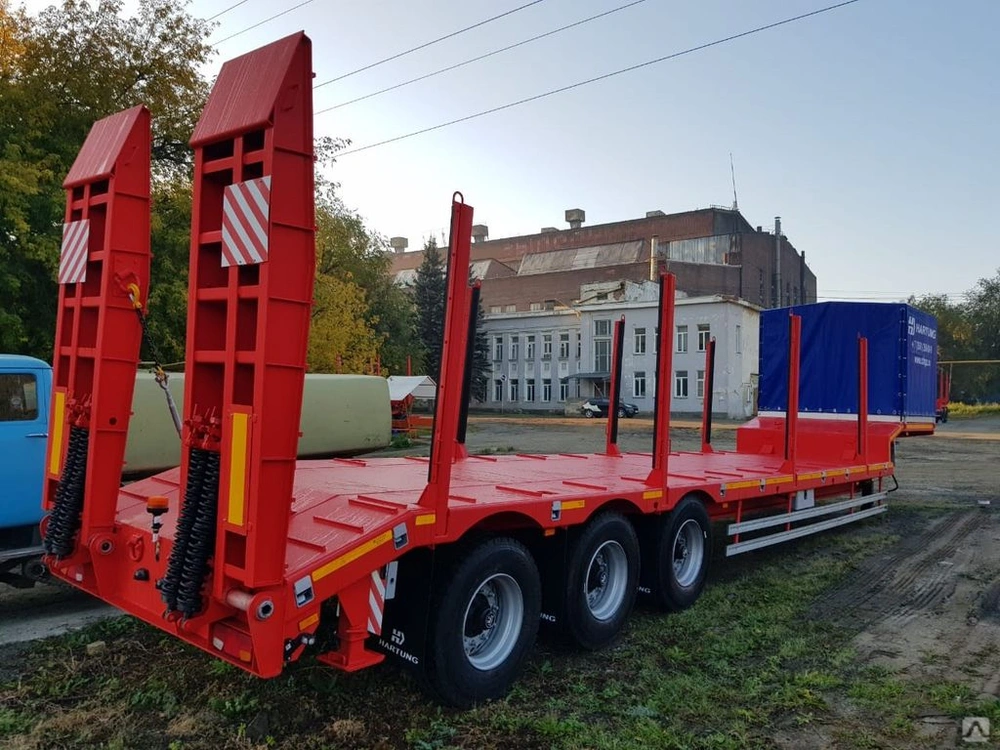
Heavy transport between cities – lowbed, semi lowbed and multi axle trailers on Pakistan’s main routes, with permits and escorts for over-size loads.
Main routes
| Route | Distance |
|---|---|
| Karachi to Lahore | about 1,210 km |
| Karachi to Islamabad | about 1,410 km |
| Karachi to Rawalpindi | about 1,420 km |
| Karachi to Multan | about 900 km |
| Karachi to Faisalabad | about 1,060 km |
| Karachi to Peshawar | about 1,550 km |
| Karachi to Quetta | about 690 km |
| Karachi to Sukkur | about 470 km |
| Lahore to Karachi | about 1,210 km |
| Lahore to Islamabad | about 375 km |
| Lahore to Peshawar | about 500 km |
| Islamabad to Karachi | about 1,410 km |
Other routes and project sites on request.
Safety comes first in heavy transport between cities: tested chains, trained riggers and fixed convoy speeds.
Heavy transport between cities – permits, axle loads and escorts
Pakistan’s motorways and highways have axle-load limits set by the National Highway Authority, and provincial highways and city roads have their own rules. Heavy and over-size loads need a permit and often a fixed route.
Wide and tall loads move with pilot vehicles and flags, usually at night or outside peak hours in big cities. Toll plaza widths, bridges and culverts are checked during the route survey.
Using enough axles keeps every axle within the legal limit – that is why very heavy loads go on multi axle or modular trailers instead of a standard lowbed.
Safety on every load
Every lift has a plan: crane capacity at the radius needed, rigging checked, tag lines and a banksman. Loads are set on timber and blocked before chains are tightened.
Chains and binders are matched to the weight, with edge protection on sharp corners. Drivers re-check lashings after the first few kilometres and at every stop.
Convoys keep fixed speeds and planned stops, and do not move in unsafe weather or poor light on difficult roads. Customers get updates on WhatsApp until delivery.